 Cart
Cart
 Sign In
Rule of Thumb: Choose Acrylic when you want the best clarity and a premium “glass-like” look with excellent weathering. Choose Polycarbonate when you need a virtually unbreakable clear material for impact-resistant applications.
Acrylic
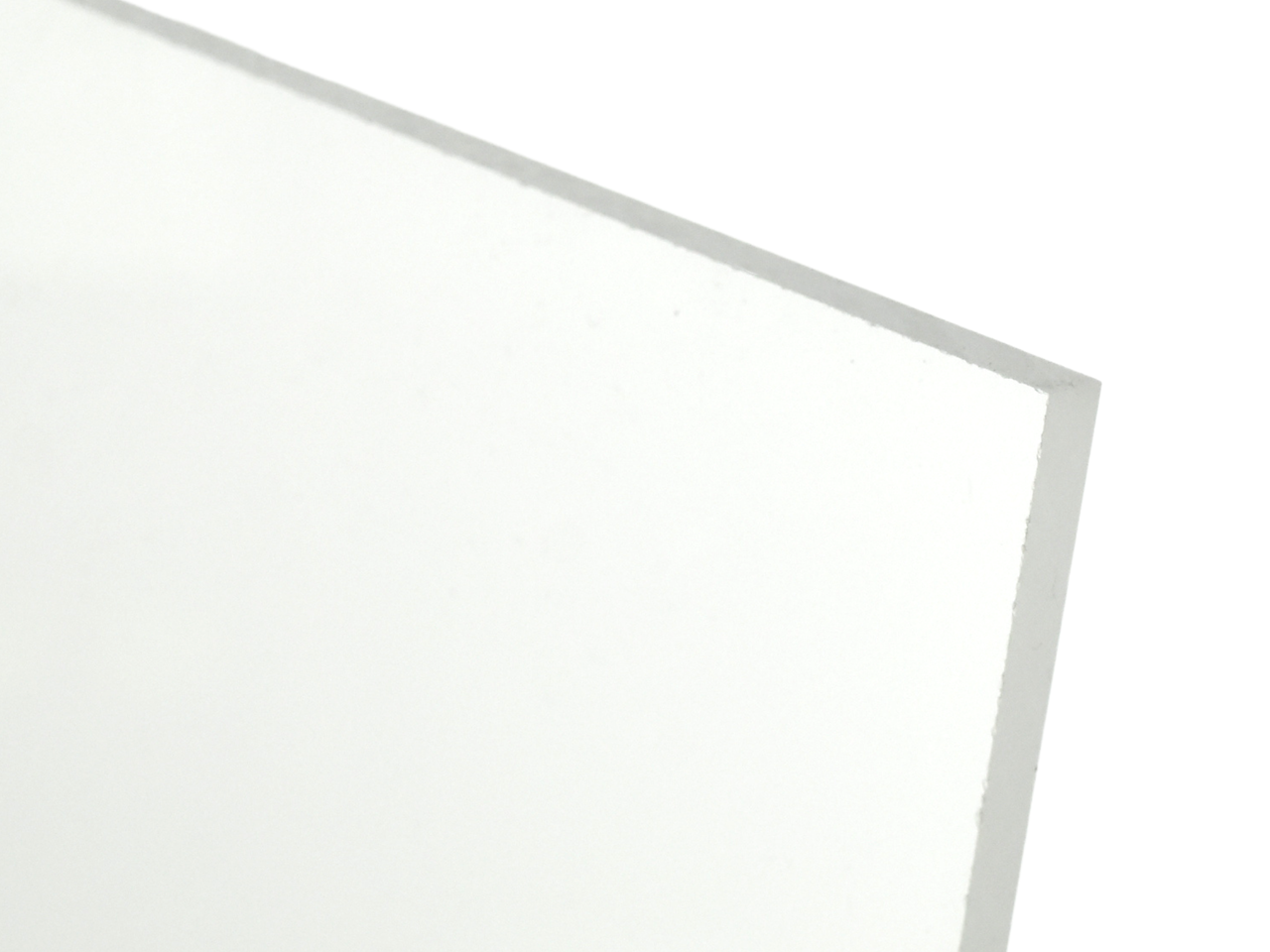
Acrylic (polymethyl methacrylate, PMMA) is an amorphous thermoplastic that transmits approximately 92% of visible light, exceeding the clarity of standard glass. It offers high surface hardness relative to other transparent plastics, strong UV stability, and excellent weatherability, retaining its appearance through prolonged outdoor exposure. Acrylic machines cleanly, thermoforms well, and bonds effectively with solvent cements. Its primary limitation is brittleness. Its impact strength is significantly lower than polycarbonate, and it can crack or shatter under sudden loads. Acrylic is the preferred choice when optical quality, surface finish, and long-term weather resistance are the governing requirements rather than impact performance.
Polycarbonate
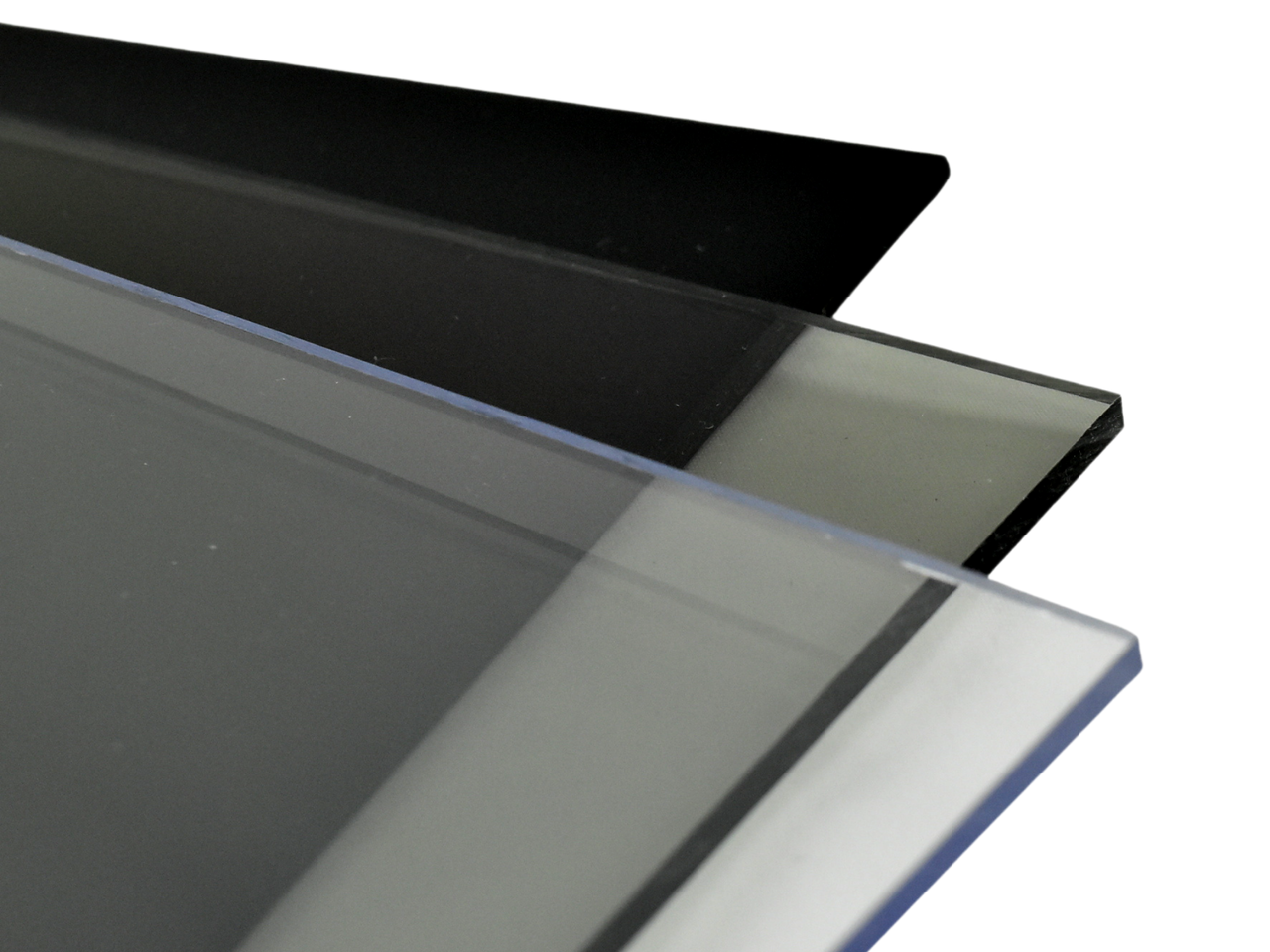
Polycarbonate is an amorphous engineering thermoplastic recognized for its exceptional impact resistance—roughly 200 times greater than glass and significantly higher than acrylic. It provides good optical clarity, a wide service temperature range, and inherent flame resistance. Polycarbonate can be cold-formed and bent without cracking, which simplifies field installation and fabrication of curved components. It is softer than acrylic and more susceptible to surface scratching, and prolonged UV exposure can cause yellowing without protective coatings. Polycarbonate is the appropriate selection when structural toughness, impact safety, or dimensional stability under load take priority over optical perfection.
Acrylic Applications
- Indoor and outdoor signage
- Point-of-purchase displays and exhibits
- Retail fixtures and shelving
- Architectural glazing and skylights
- LED lighting diffusers and panels
- Transparent manifolds
- Display cases and picture frames
- Transportation glazing
Polycarbonate Applications
- Machine guards and protective shields
- Safety glazing and security windows
- Face shields and safety equipment
- Sight glasses and inspection windows
- Point-of-purchase displays and graphic holders
- Architectural glazing and skylights
- Electronic enclosures and covers
- Semiconductor equipment components
| Characteristic | Acrylic | Polycarbonate |
|---|---|---|
| Optical clarity | ||
| Easy to machine | ||
| Easy to fabricate and bond | ||
| Thermoformable | ||
| Good dimensional stability | ||
| Superior impact resistance | ||
| Outdoor weathering resistance | ||
| High surface hardness / scratch resistance | ||
| Cold-formable without cracking | ||
| Good electrical insulation |