Cart
Cart
 Sign In
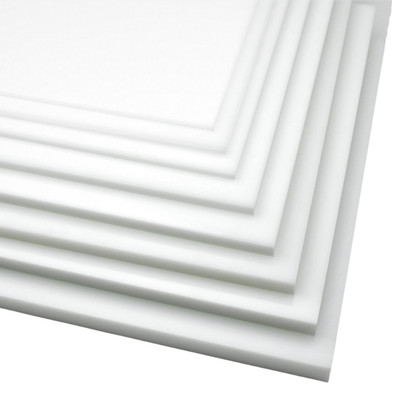
HDPE Plastic Sheet
$1.39 - $1,396.25


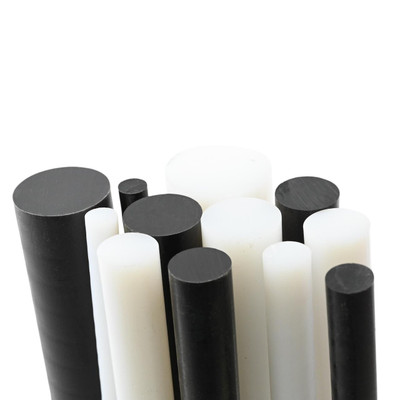
HDPE rod is round stock made from high-density polyethylene. It is commonly used for turned parts, spacers, rollers, bushings, guides, fixtures, and other components that need a tough, lightweight plastic with low moisture absorption and good chemical resistance.
HDPE balances toughness, impact resistance, easy machining, and low material cost. It suits shop fabrication, industrial maintenance, material handling, and general-purpose parts where metal would be heavier, would corrode, or would be harder to machine. Compared with harder engineering plastics, HDPE has a softer surface and a slightly waxy feel, which helps in low-friction and easy-to-clean parts but limits stiffness and adhesive bonding.
This rod is not manufactured to visual specifications and has no protective masking.
Cut tolerance: +0.0″ / −0.2″
Choose a diameter based on the finished part size plus the material that will be removed in machining. HDPE is softer and more flexible than many engineering plastics, so compare the requirements carefully for very tight dimensional control, high rigidity, or heavy bearing loads.
These rods are not UV stabilized, and natural HDPE is not weather resistant. For outdoor, food-contact, or other regulated uses, confirm that the selected color and grade are suitable before ordering.
HDPE machines cleanly with sharp tools and good chip clearance. Because it is less stiff than many engineering plastics, it can deflect during machining if unsupported; use suitable speeds, feeds, and fixturing to limit heat buildup and hold dimensions.
Standard adhesives bond poorly to HDPE because of its low surface energy. Mechanical fastening, press fits, or welding methods suited to polyethylene are usually more practical. High-frequency welding is not recommended.