Cart
Cart
 Sign In
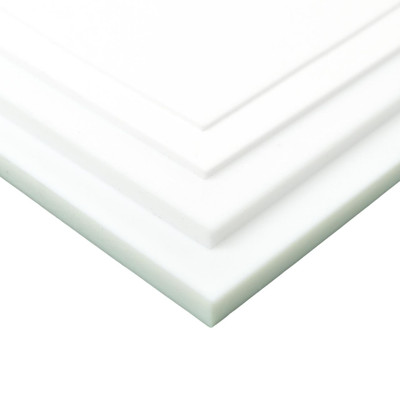
PTFE, White (Natural), Virgin, Plastic Sheet
$2.37 - $3,394.35


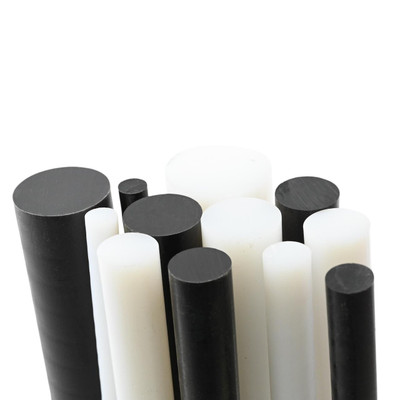
PTFE rod is solid round machining stock made from virgin polytetrafluoroethylene, a fluoropolymer with a very low coefficient of friction, resistance to nearly all industrial chemicals, and excellent electrical insulating properties. It is known commonly by the trade name Teflon™. The rod is usually turned or machined into bushings, seals, valve seats, insulators, and other parts that must slide, seal, or insulate in demanding chemical or temperature conditions.
PTFE is softer and more flexible than engineering plastics such as acetal or nylon, so it is chosen where low friction and chemical compatibility matter more than stiffness. It absorbs almost no water, resists weathering and UV light, and has a continuous service temperature of 500°F. Virgin PTFE is also FDA compliant for food contact.
Cut tolerance: +0.0″ / −0.2″
PTFE rod machines cleanly, but it behaves differently from harder plastics. Support long, thin rods during turning so the stock does not flex, and guide the long, continuous turnings away from the work so they do not wrap around the part. Sharp tooling, secure workholding, and moderate feed rates give cleaner edges and more consistent parts.
PTFE expands by about 1–1.5 percent in volume as it warms through normal room temperature (around 66°F), so measure precision parts at, or allow for, their service temperature. It also creeps slowly under sustained load or compression, which should be considered when designing seals and load-bearing parts.
For medical or other regulated applications, confirm the requirements of the finished part and review current material documentation before use.